
 Contact Us
The essence of smart cities is to create an ecosystem conducive to innovation through the construction of four major systems: perception, transmission, knowledge, and application. Informationization is fragmented innovation, while smart cities are the overall innovation of a city. Big data makes causal relationships more precise, with clear correlations beyond surface causal relationships. Big data requires a large volume and good structure. Smart municipal governance is based on geographic information systems, urban grid systems, and digital urban management systems, fully utilizing technologies such as the Internet of Things and cloud computing to effectively perceive, monitor, and manage urban public resources throughout the entire process of urban planning, design, construction, operation management, and management of municipal facilities and equipment.
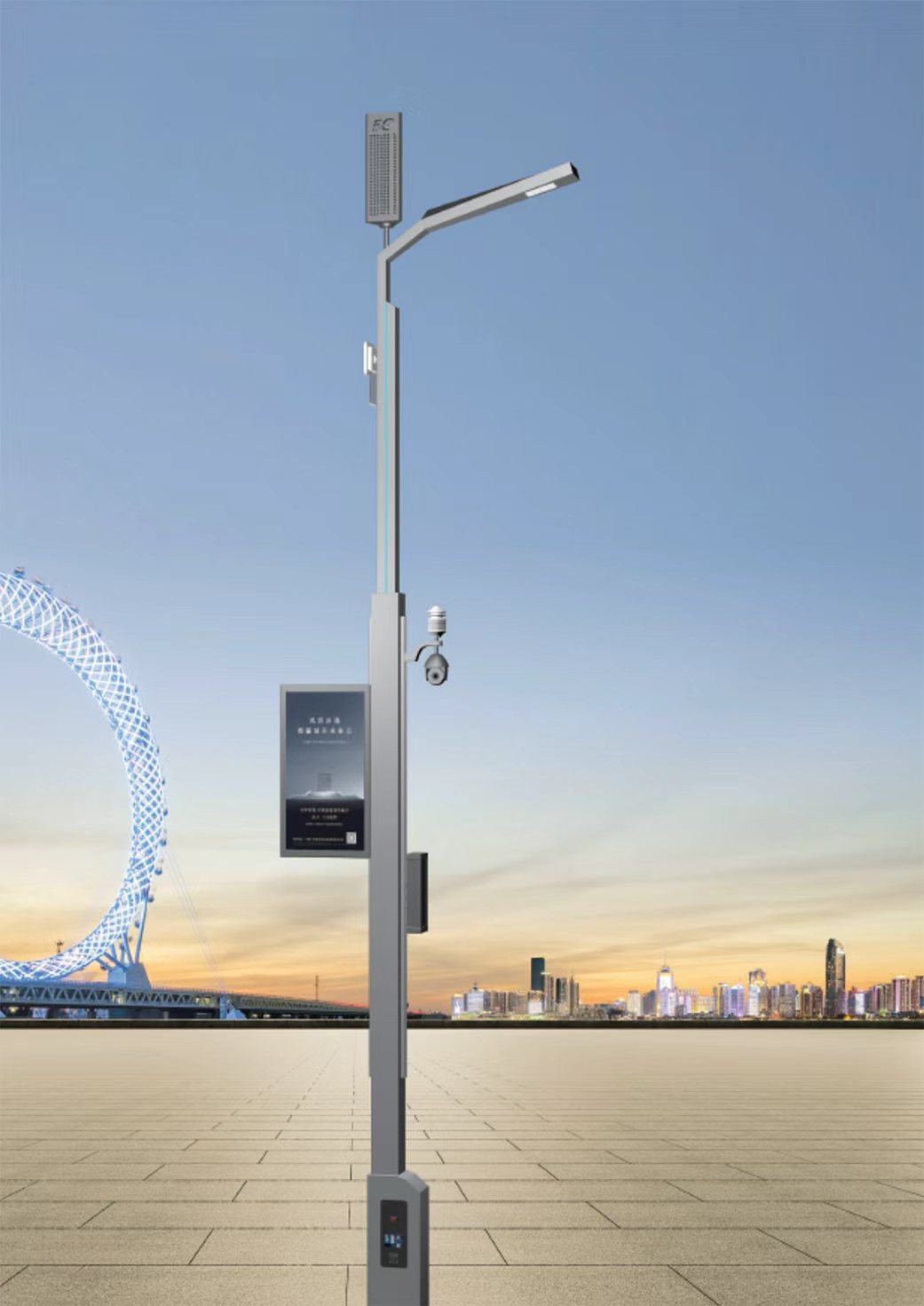
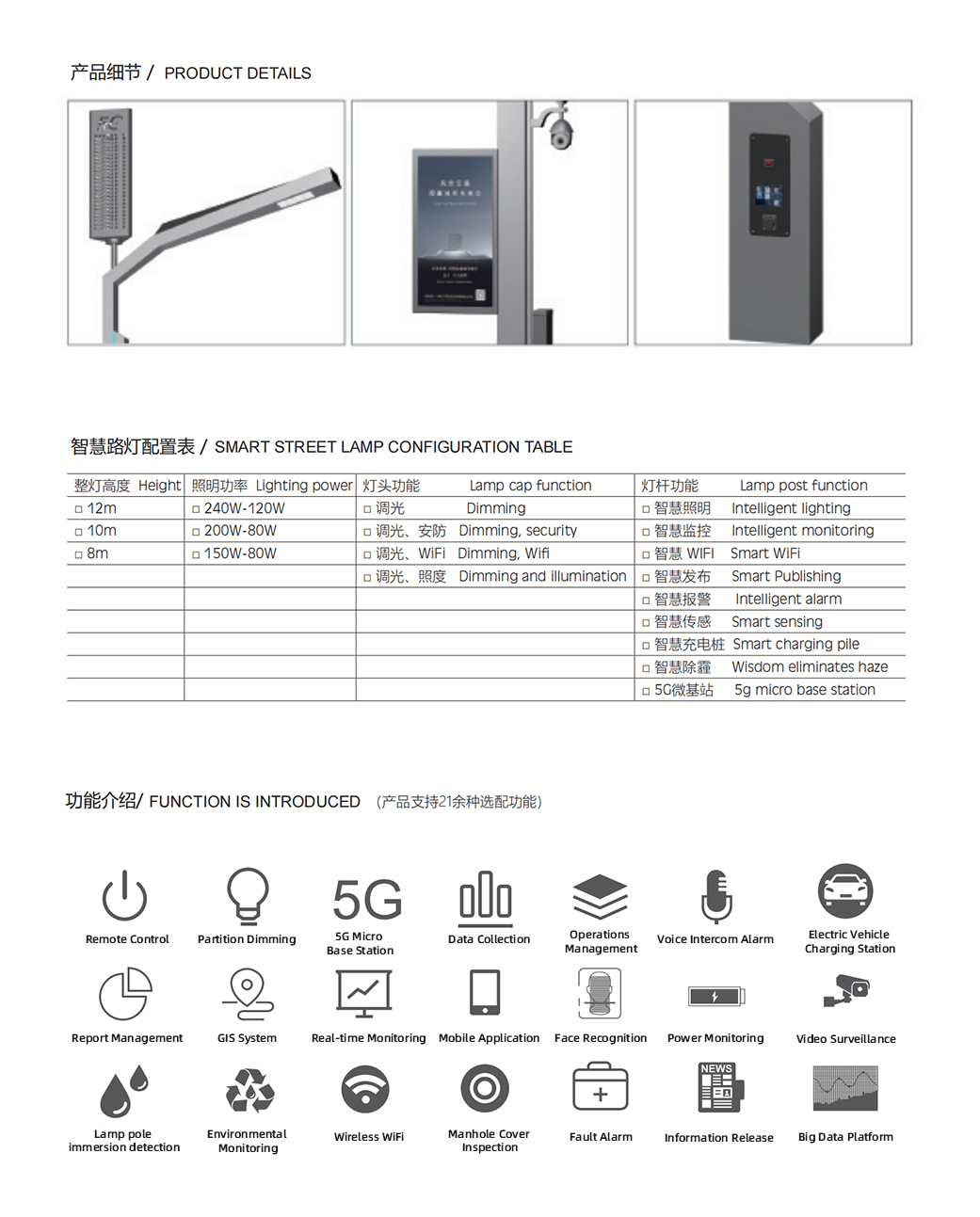
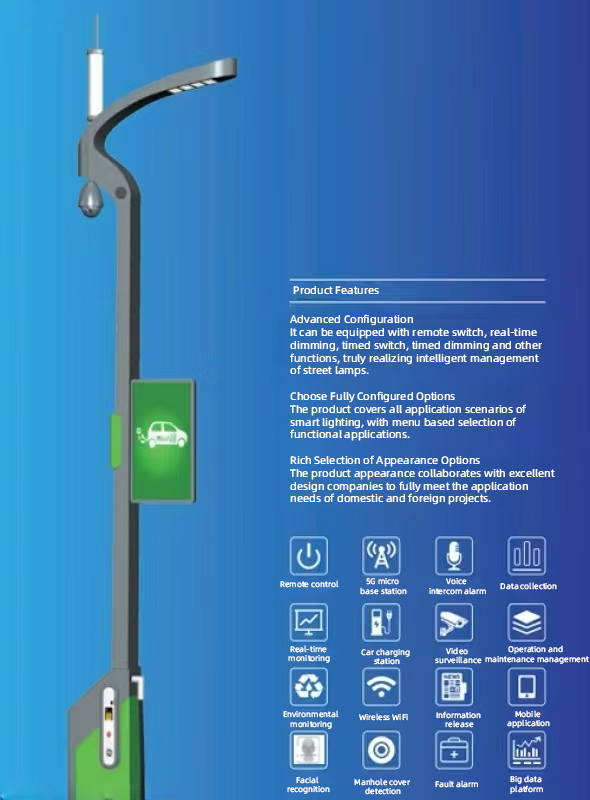
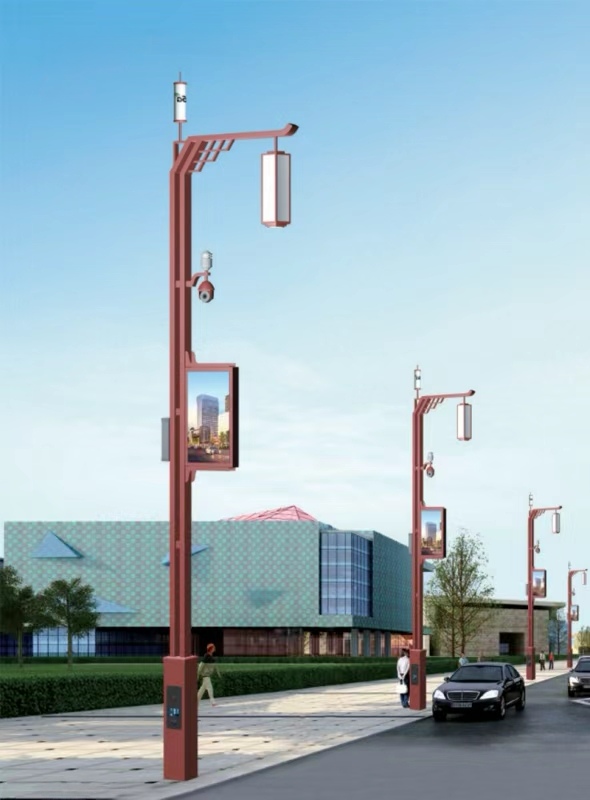
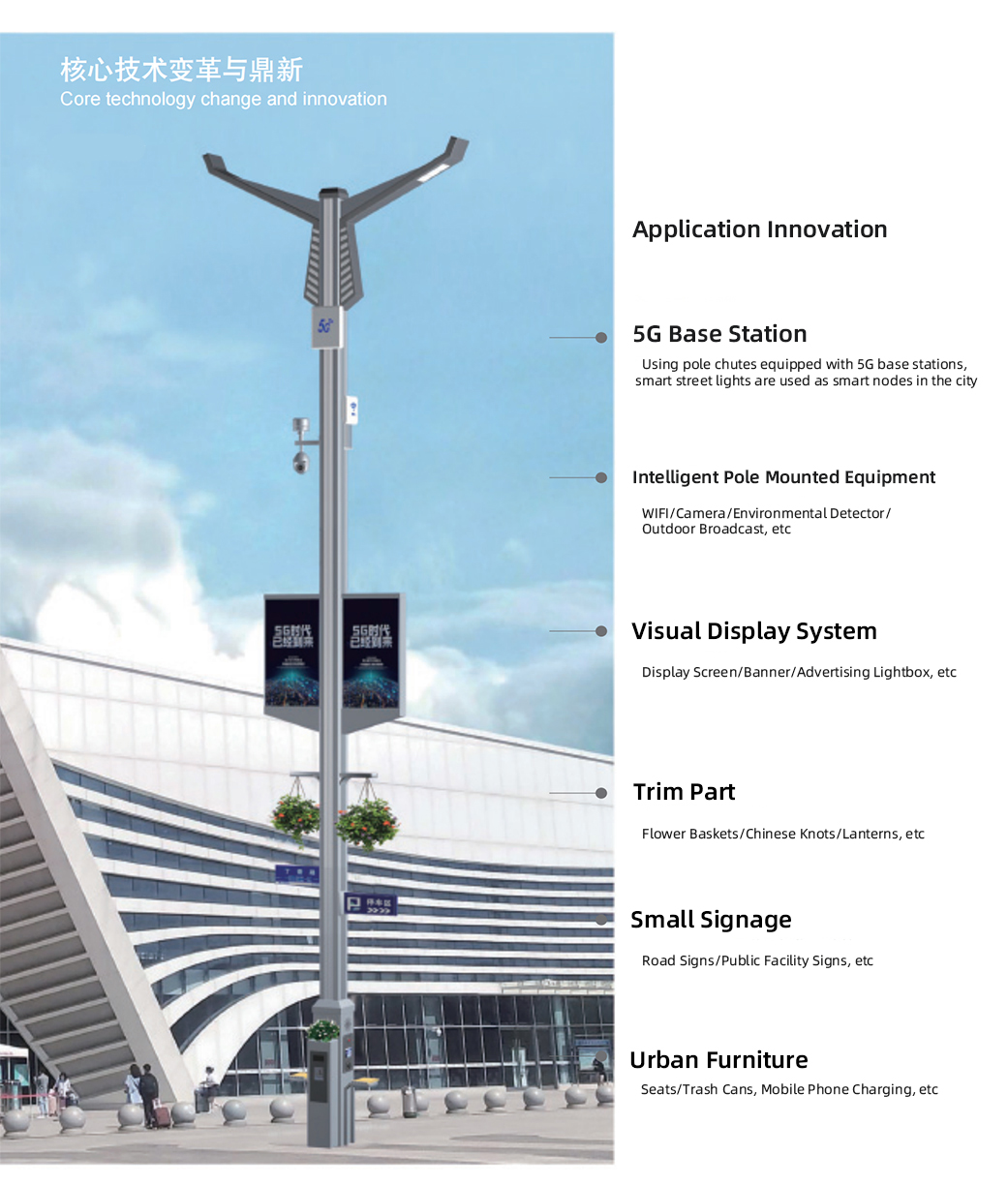
As urban public infrastructure, streetlights evolved into smart poles will be the sensing nerve endings and data entry points of the new smart city. Starting from the top-level design of interconnected smart cities, in order to truly achieve intelligent and refined management of cities, smart poles need to be pre laid out and have a globally unified management and operation mode, effectively breaking down data barriers and achieving interconnectivity of urban operational data.
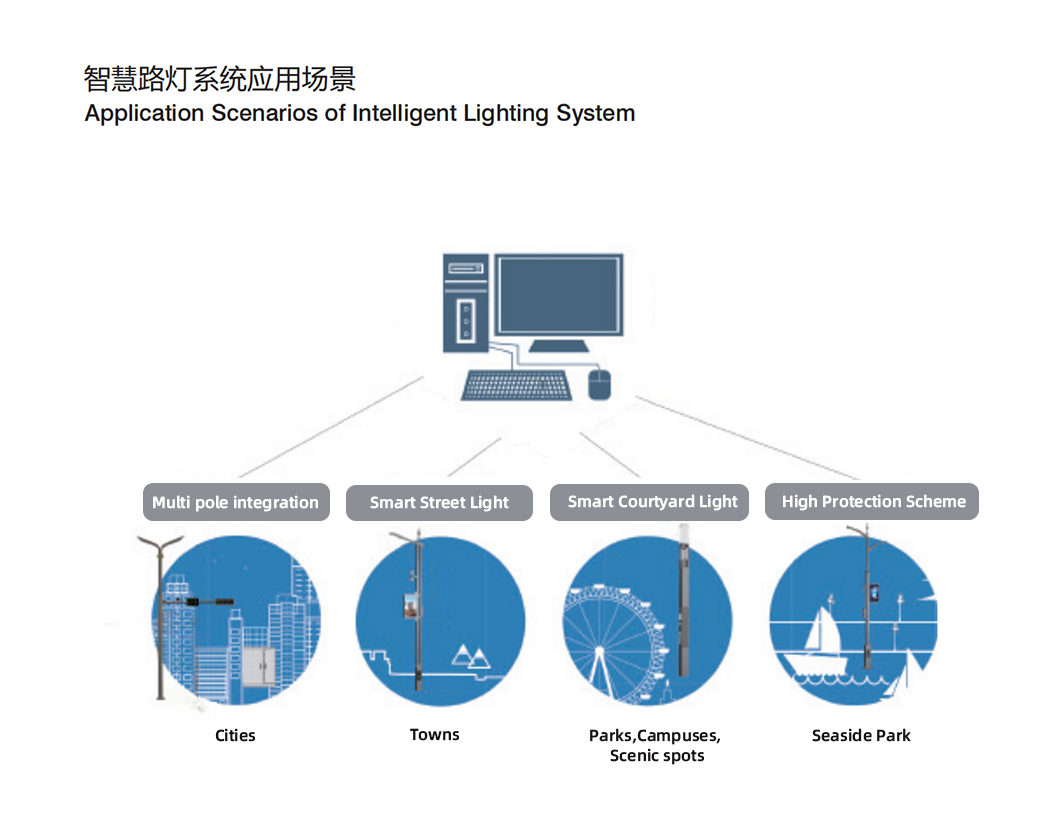
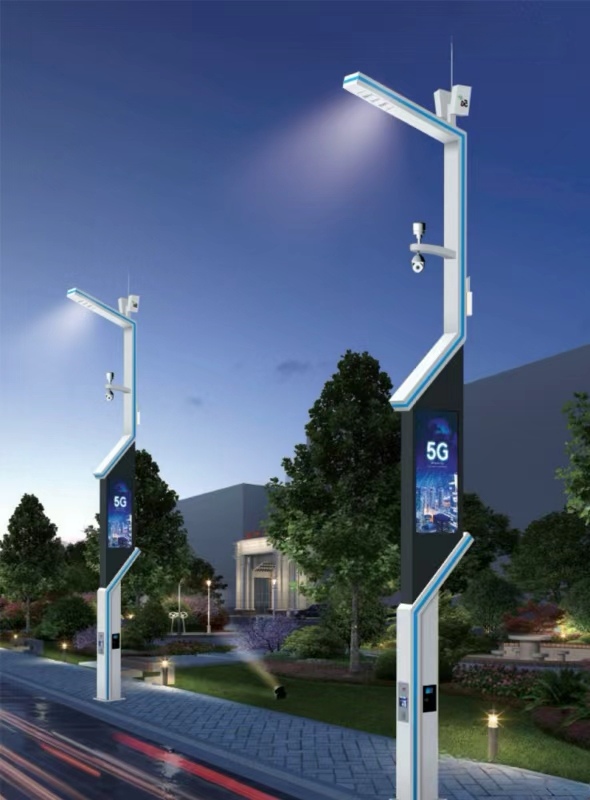
The construction of 5G smart road lighting has multiple meanings and prices. Firstly, to assist in the implementation and commercialization of 5G. The deployment of 5G requires a large number of poles for support, with a base station required for approximately 60-120 meters. Smart streetlight poles are the best way to reduce the construction and operation costs of 5G, and the construction of smart streetlight poles can have a driving effect on the development of the 5G industry. Secondly, to assist in the construction of smart cities. Smart streetlights are the main carrier of smart cities and the infrastructure of the city’s perception layer. Therefore, smart streetlights will be the first stop in the transformation of smart cities and the main threshold for cities to move towards the process of intelligence. Thirdly, enhance the quality and image of the city. The construction of night scene road lighting should be closely integrated with the development of urban construction, continuously optimizing the nightlife environment of citizens, improving urban landscapes, shaping modern urban images, and achieving coordinated and synchronized development of night scene road lighting and urban construction. Finally, drive the tourism economy and enhance the vitality of the city’s nighttime economy. Set off and shape the image of a cultural tourism and vacation city, attract nighttime activity crowds, and thus drive the development of tourism related industries. Business and economy have flourished and developed, and nighttime commercial activity has been further enhanced.
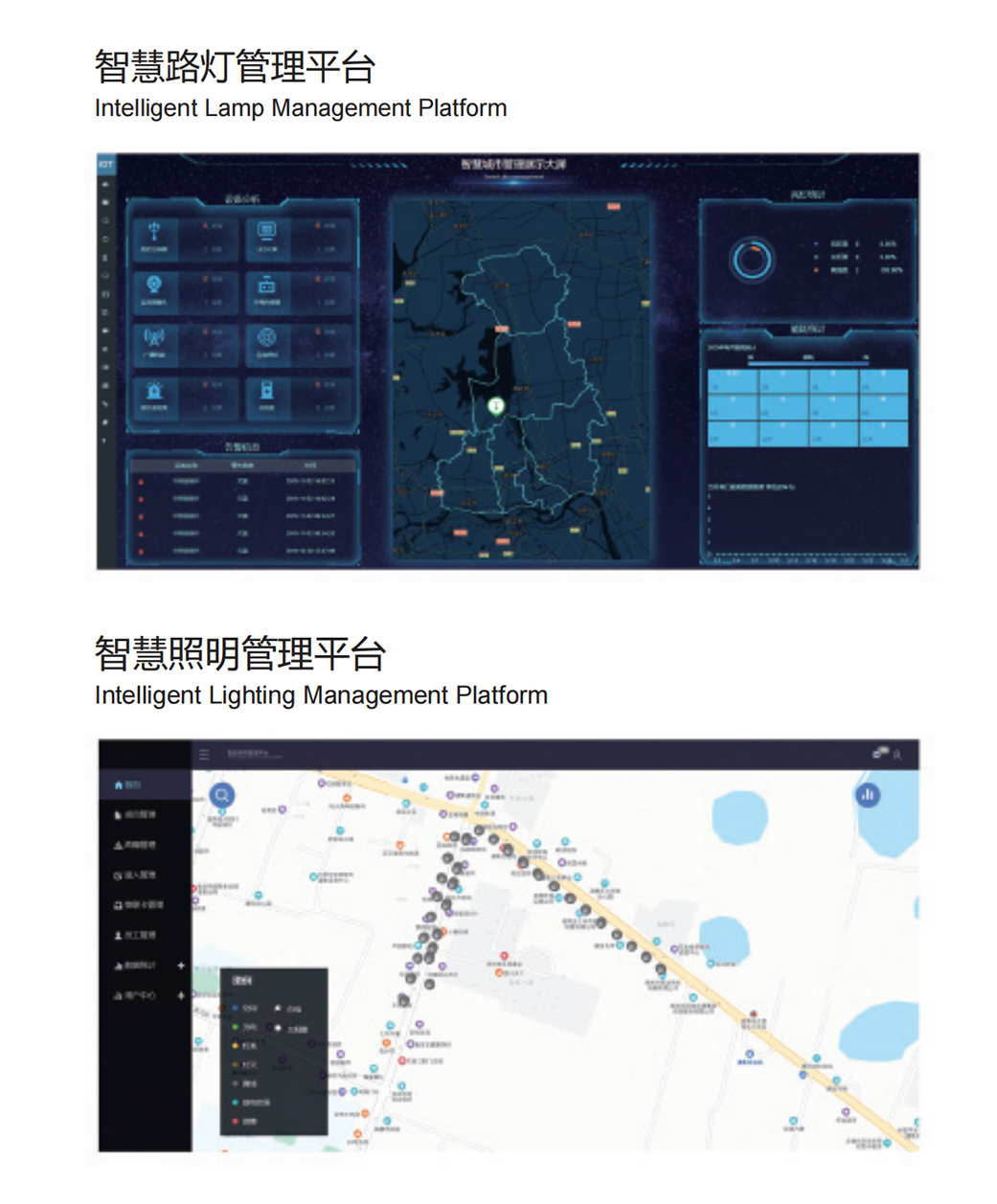
The smart street light management platform is a platform software developed through practical experience and customer research, combined with the development of cloud computing and big data processing technology. The system architecture is more reasonable, the use is more convenient, and the display forms are more diverse.
Smart streetlights are an important component of future smart cities, and the implant of the smart streetlight management platform is the controller of urban streetlight data. By using smart streetlight data to build a private data territory for streetlight enterprises, a business moat is constructed.