
 Contact Us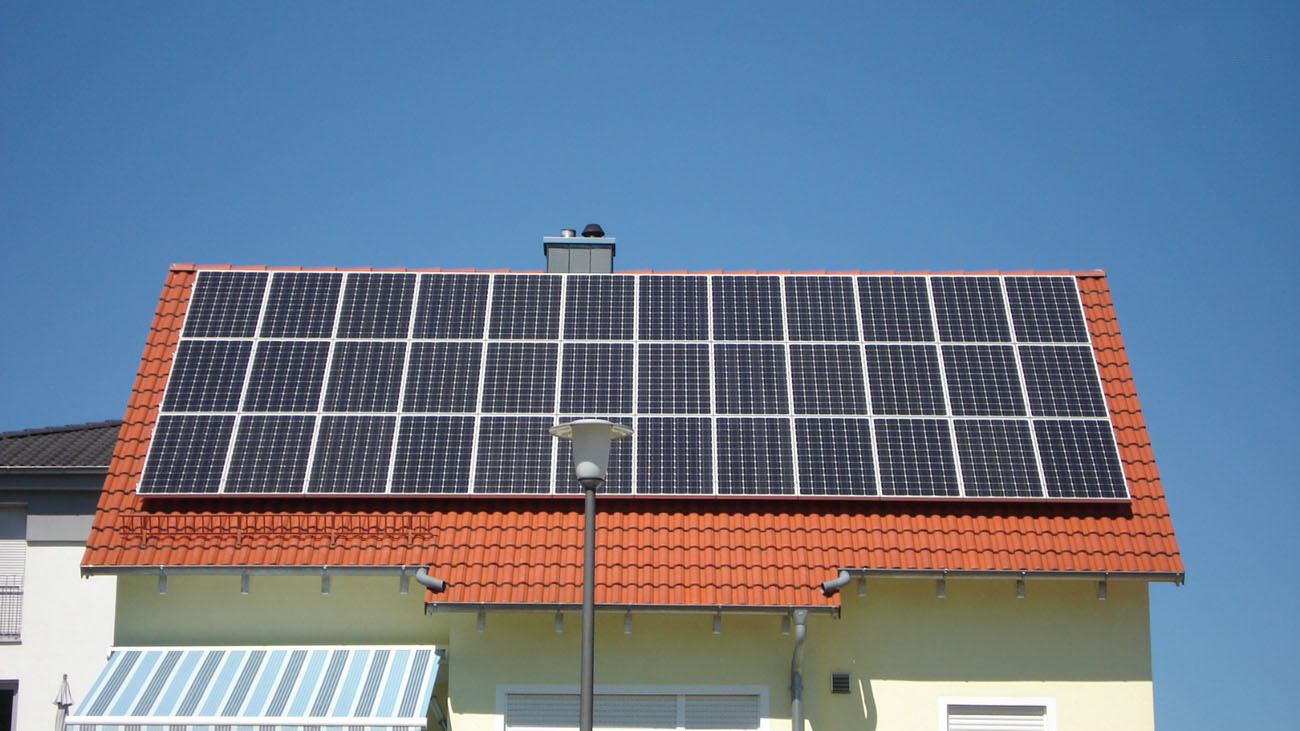
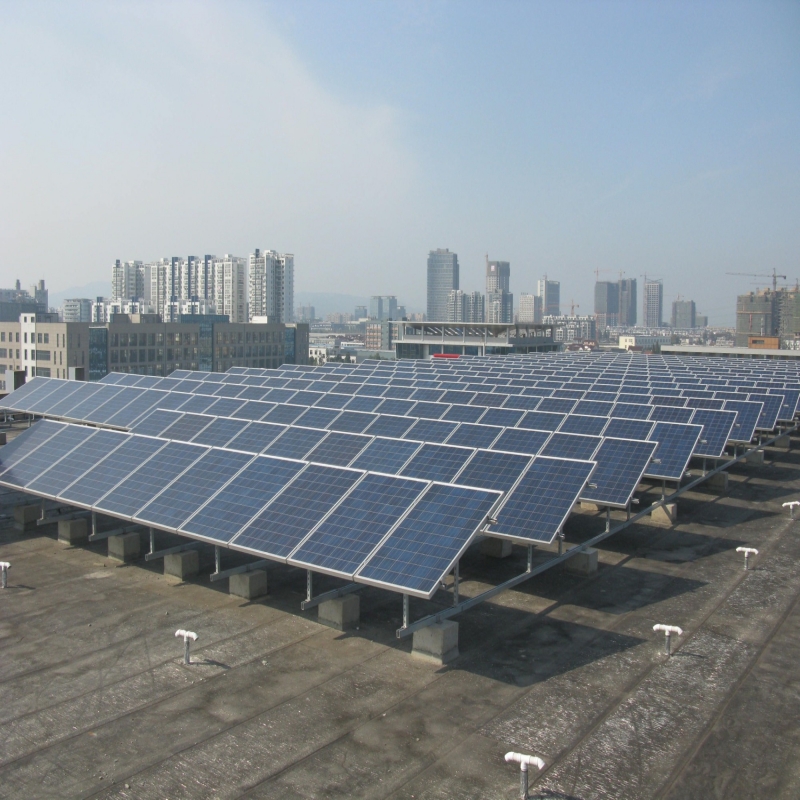
Solar villa is a technology that integrates solar power (photovoltaic) products into buildings using photovoltaic building integration technology. The forms of combining photovoltaics with buildings mainly include combining with roofs, walls, and shading devices. The system installation can adopt either grid connected power generation or off grid power generation system. The combination of photovoltaics and buildings has great advantages, as it can generate and use electricity in situ, reduce the cost and energy consumption of current transportation, and eliminate the need for separate support structures for photovoltaic equipment. The entire system not only ensures its own building power supply, but also provides power to the grid, easing peak electricity demand. In addition, photovoltaic arrays are installed on roofs and walls and directly absorb solar energy, avoiding high wall and roof temperatures, reducing air conditioning loads, and improving indoor environments.
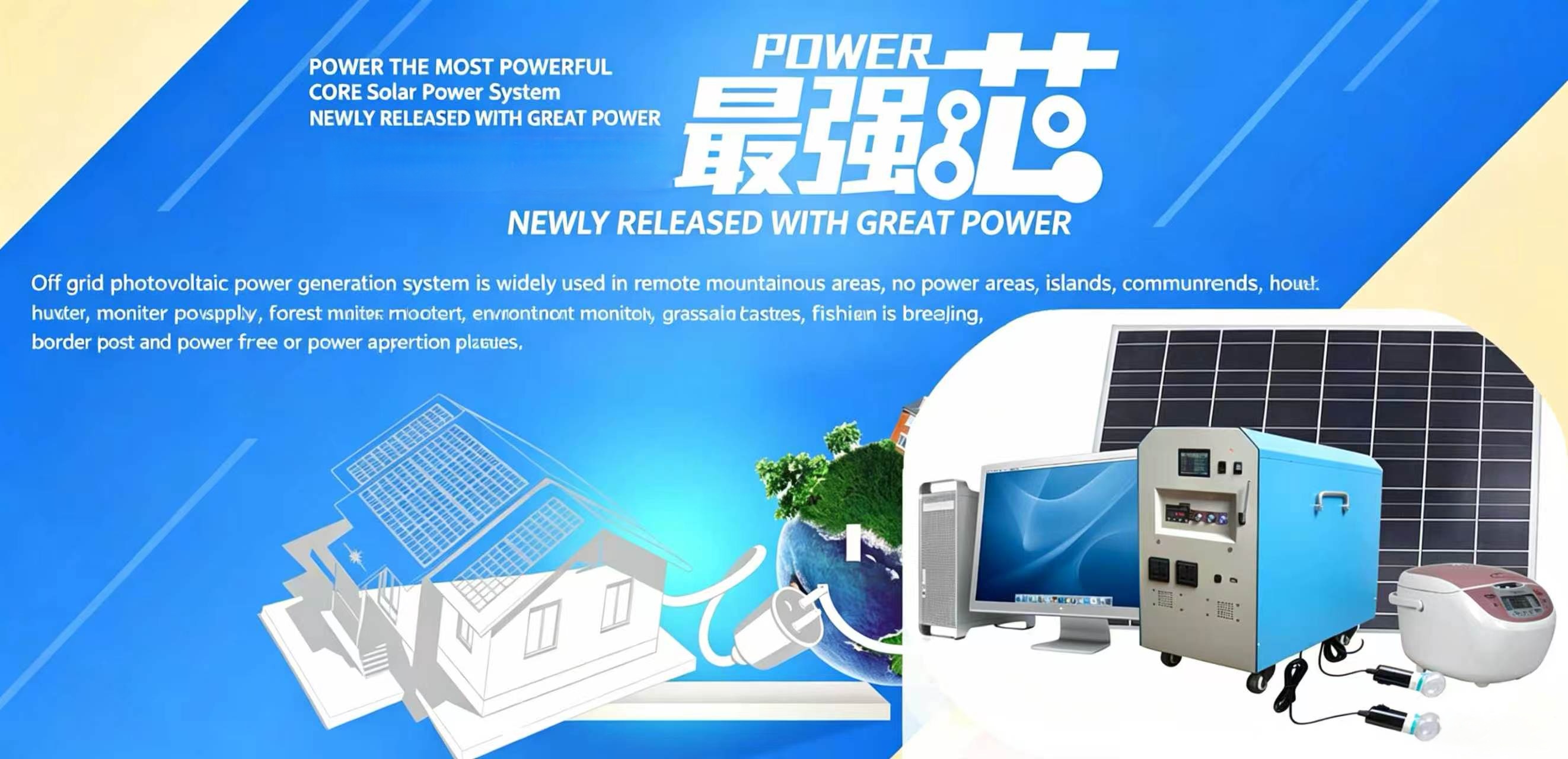
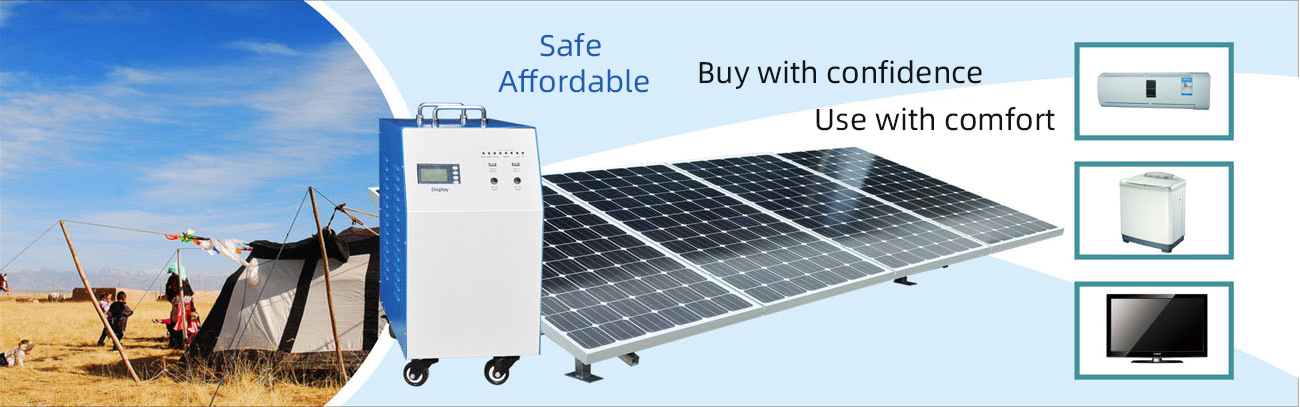
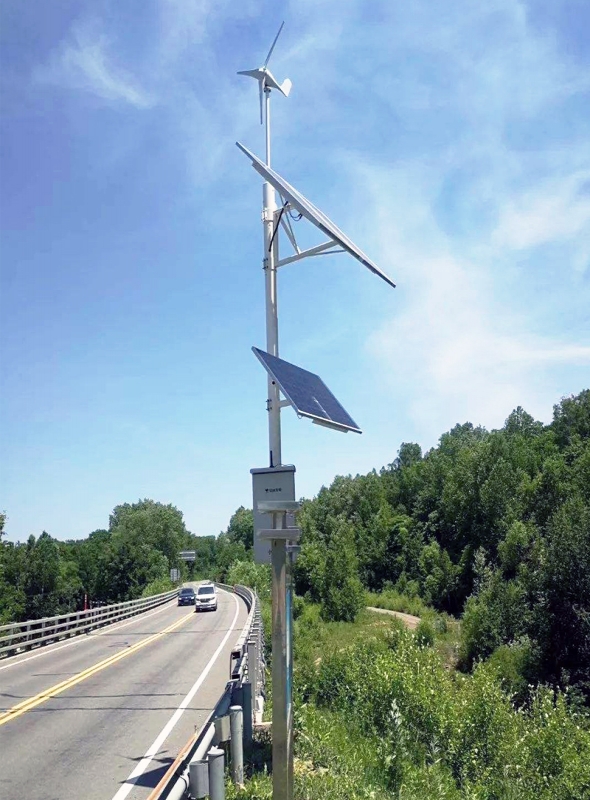
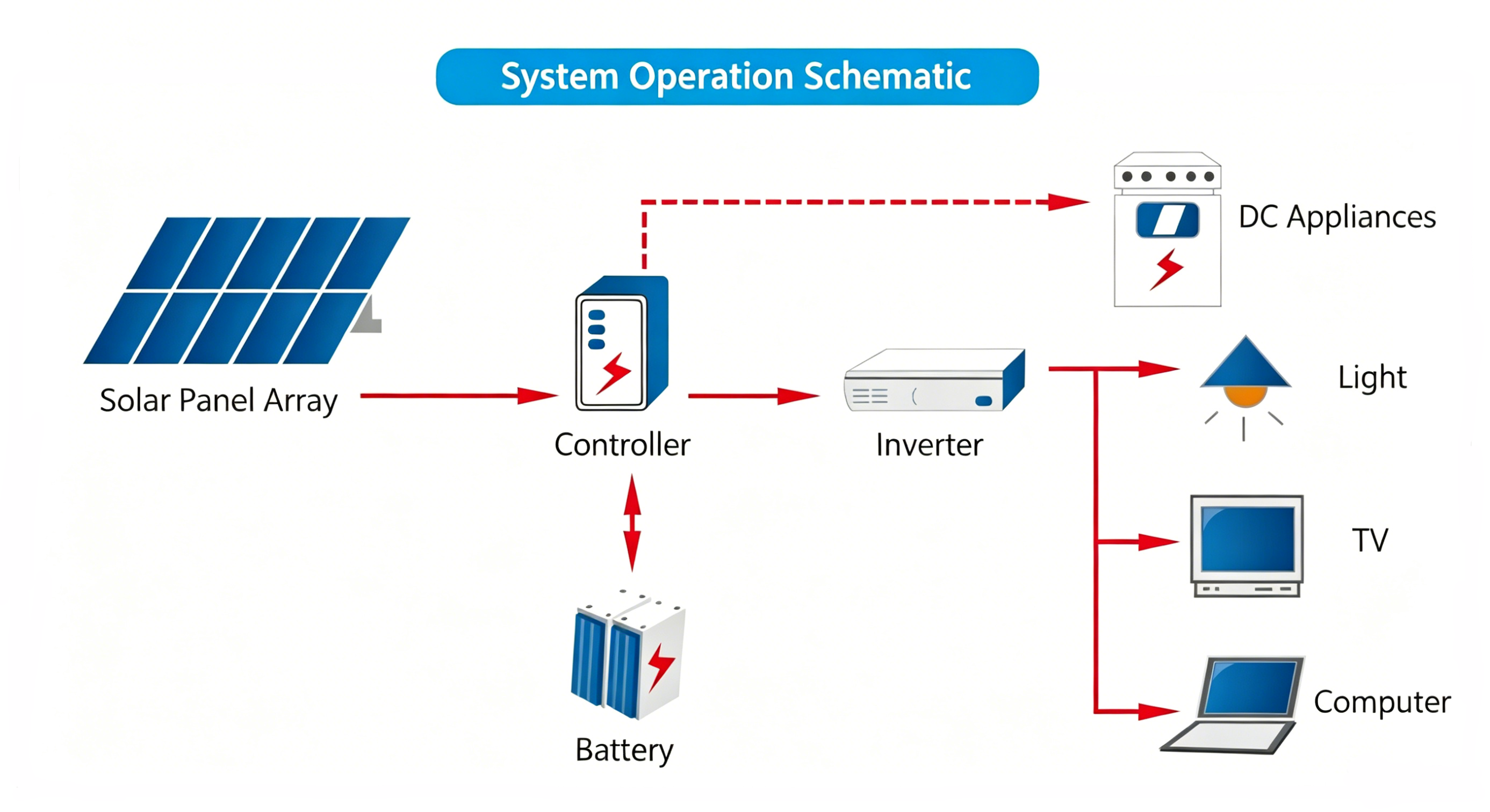
Off grid photovoltaic power generation systems consist of solar photovoltaic arrays, solar controllers, inverters, batteries, switching control boxes, and other equipment. They can be divided into two types: pure off grid photovoltaic power generation systems and grid complementary off grid power generation systems. They can also complement wind energy to form wind solar complementary off grid power generation systems.
(1) Operating principle:
Off grid power generation: Photovoltaic modules convert solar energy into electrical energy under illumination, and provide power to the load through a solar charging and discharging controller, while also charging the battery pack; When there is no light, the DC load is powered by the battery pack through the solar charging and discharging controller. At the same time, the battery also directly supplies power to the independent inverter, which inverts the AC current and supplies power to the AC load.
(2) Scope of application:
Off grid photovoltaic power generation systems are widely used in remote mountainous areas, areas without electricity, islands, communication base stations, street lamps, household power supply, road monitoring, tunnel power supply, forest fire prevention, environmental monitoring, grassland pastures, fishermen’s breeding, border posts and other places with no or insufficient electricity.
(3) System features:
Solar energy can be found everywhere, providing nearby power without the need for long-distance transmission, thus avoiding losses on long-distance transmission lines;
Solar energy does not require fuel and has low operating costs;
Solar power generation has no moving parts, is not easy to use or damage, is easy to maintain, and is particularly suitable for use in unmanned situations;
Solar power generation does not produce any waste, has no pollution, noise or other public hazards, and has no adverse impact on the environment. It is an ideal clean energy source;
The construction period of solar power generation system is short, convenient and flexible, and it can add or reduce the capacity of solar arrays according to the increase or decrease of load, avoiding waste.
Photovoltaic arrays convert solar energy into electrical energy under illumination, providing direct AC power for household use and meeting the basic electricity needs of household lighting and some daily appliances. At the same time, the DC power output by the system can be directly used by household DC electrical equipment. For example, mobile phones and laptops. Provide power to the load and charge the battery pack through a solar charging and discharging controller; When there is no light, the DC load is powered by the battery pack through the solar charging and discharging controller. At the same time, the battery also directly supplies power to the independent inverter, and the inverter inverts the AC current to supply power to the AC load.
The off grid complementary power generation system can achieve a hybrid power supply mode of mains and solar power, with solar power taking priority. When the solar power supply is insufficient, it can automatically switch to mains power, with a switching process of less than 0.03 seconds, without affecting the load operation.
| Item | Villa Configuration Plan (Excluding Air Conditioners) | Villa Configuration Plan (Lighting Only) | Villa Configuration Plan (Full Power Supply) |
|---|---|---|---|
| Load Power | Total Daily Power Consumption: 10kWh Rated Power: 5kW | Total Daily Power Consumption: 2.8kWh Rated Power: 1kW | Total Daily Power Consumption: 40kWh Rated Power: 10kW |
| System Voltage | 48V | 24V | 240V |
| Illumination | Calculated based on 4 hours of average daily effective illumination | Calculated based on 4 hours of average daily effective illumination | Calculated based on 4 hours of average daily effective illumination |
| Household Appliances | Home appliances (excluding air conditioners), lighting and kitchen & bathroom appliances | Household Lighting: Total 1kW, total daily power consumption 2.8kWh | Home appliances (including air conditioners), lighting and kitchen & bathroom appliances: Total 10kW |
| Grid Switchover | With automatic grid switchover function | With automatic grid switchover function | With automatic grid switchover function |
| Battery | 48V/300Ah | 24V/150Ah | 240V/300Ah |
| PV Module | 200W, 20 pcs, total 4000W | 180W, 5 pcs, total 900W | 200W, 80 pcs |
| Integrated Inverter & Controller | 48V/60A48V/5kW | 24V/30A24V/1kW | 240V/50A |